
17 Jul, 2026
Difference between 16:9 vs 4:3 aspect ratio?
Aspect ratio refers to the proportional relationship between the width and height of a screen or image.
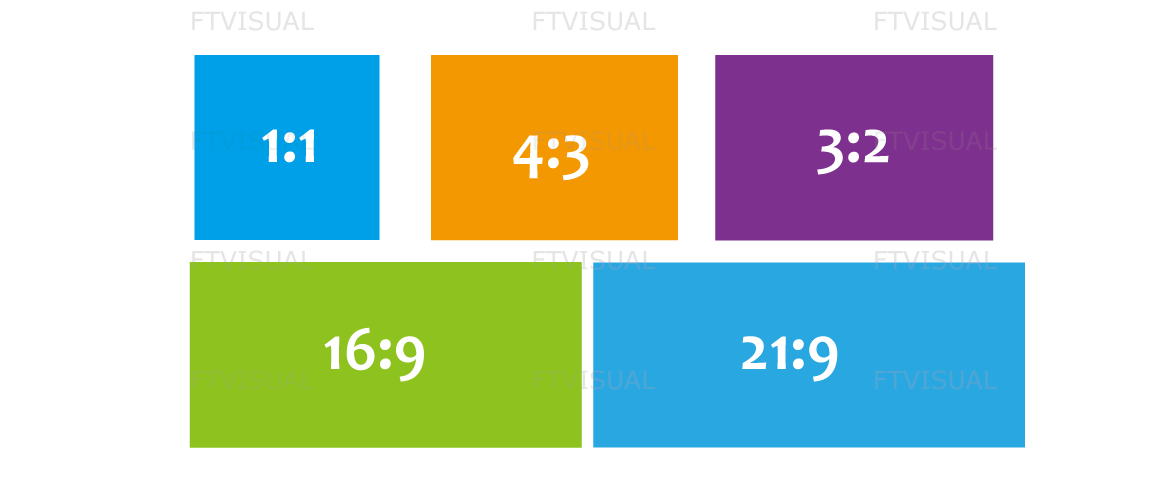
1.Common Aspect Ratios
• 16:9: The global standard for high-definition televisions, PC monitors, and online video platforms. It offers an optimal viewing experience across standard landscape displays.• 9:16: The universal vertical video format used to maximize screen space on smartphones. It is the standard for TikTok, Instagram Reels, and YouTube Shorts.
• 1:1: A perfectly square format originally popularized by Instagram. It remains a top choice for social media grids and balanced, centered compositions.
• 3:2: The traditional aspect ratio of 35mm film and the default format for most DSLR and mirrorless cameras. It is ideal for printing standard sizes like 4x6 or 8x12.
• 4:3: The vintage or "Academy" ratio used in early television broadcasts and classic films. Today, it is frequently used deliberately to create a nostalgic or retro aesthetic.
• 21:9 (or 2.39:1): The classic "anamorphic" widescreen format used in modern cinema to create sweeping, epic landscape shots. It is also highly popular for ultrawide PC gaming monitors.
2.Core Differences of 16:9 vs 4:3:
Here is the direct difference between 16:9 and 4:3:• Shape: 16:9 is a wide rectangle. 4:3 is a square-like rectangle.
• Standard: 16:9 is the modern widescreen standard. 4:3 is the old television standard.
• Width: 16:9 is 78% wider than it is tall. 4:3 is 33% wider than it is tall.
• Field of View: 16:9 shows more horizontal detail. 4:3 captures more vertical space.
3.Details of 16:9 Aspect Ratio (Widescreen)
• Common Resolutions: 1920x1080 (Full HD) and 3840x2160 (4K Ultra HD).• Primary Uses: Modern TVs, computer monitors, smartphones, and YouTube videos.
• Visual Style: Cinematic, immersive, and optimized for human peripheral vision.
4. Details of 4:3 Aspect Ratio (Standard / Academy)
• Common Resolutions: 1024x768 (XGA) and 1440x1080 (HDV).• Primary Uses: Retro gaming, old CRT televisions, iPads, and photography (IMAX/Medium format).
• Visual Style: Boxy, nostalgic, and focused tightly on central subjects.
5.When to Choose 16:9 (Widescreen)
• Modern Displays: Matches standard TVs, computer monitors, and smartphones.• Video Platforms: Native format for YouTube, Vimeo, and streaming services.
• Cinematic Look: Ideal for movies, landscapes, and action sequences.
• Immersive Gaming: Offers a wider field of view for modern video games.
• Presentations: Best for corporate slideshows displayed on modern projectors.
6.When to Choose 4:3 (Standard/Academy)
• Retro Aesthetics: Perfect for nostalgic, vintage, or 90s-style film projects. • Character Focus: Draws attention to a central subject by cutting out side distractions. • Photography: Matches the native sensor format of many medium-format and Micro Four Thirds cameras. • Print Media: Fits standard paper sizes and book layouts more easily. • Old Hardware: Necessary for legacy CRT monitors and vintage arcade setups.7.What Happens When You Mix Them?
• 4:3 video on a 16:9 screen: Results in pillarboxing (black bars on the left and right sides). • 16:9 video on a 4:3 screen: Results in letterboxing (black bars on the top and bottom).FTV LED Screen Solutions
FTV offer turn-key LED screens, you can browse below:Indoor LED Wall: Super fine pitch, great visual, work for DCI-P3 Wide Color Gamut
Outdoor LED Screen: High brightness, great visual, and super robust design.
Rental LED Screen: Easy and fast to set-up, robust& reliable design.
Creative LED Screen: Customized LED Walls with various shapes.
For more solutions and customization, please be free to contact us.